
Structural Steel Welding in Toronto & the GTA
CanaWelding provides structural steel welding for beams, columns, base plates, joists and connections across Toronto and the GTA. The work is done by CWB-qualified welders, welded to CSA W59, and backed by WSIB coverage, liability insurance and a full documentation package. Welding, fabrication and steel erection can sit under one contract.
Most welders carry a torch. CanaWelding carries a structural pedigree. As the welding division of CanaStruct Inc., an Ontario structural framing and steel erection contractor, our crews understand the loads a connection carries, the codes it must meet, and the paperwork engineers and inspectors expect to see.
- Welders hold CWB qualifications for the processes and positions they weld
- I-beams, W-shapes, HSS columns, open web steel joists, base plates and connection plates
- Residential, commercial and industrial structural steel, from a single beam to a full steel frame
- Documentation ready before day one: welder CWB qualifications, WSIB clearance and insurance certificate
- One contract for welding, fabrication and steel erection through CanaStruct Inc.

What Is Structural Steel Welding?
Structural steel welding is the joining of load-bearing steel members, such as beams, columns, joists, base plates and connection plates, to an engineer's design and Canadian code. In Ontario, structural steel is designed to CSA S16, and every weld is made and inspected to CSA W59.
A failed gate weld is a repair call. A failed moment connection is a structural event. That difference is why structural work is held to a separate standard. The engineer of record sets the weld type, size, length and location on the drawings using weld symbols, and the welder executes each one to an approved weld procedure.
The work covers two related systems. Heavy gauge structural steel, meaning hot-rolled W-beams, HSS columns, angles, channels and plate, most often in CSA G40.21 grade 350W, forms the primary frame of commercial, industrial and multi-storey buildings and carries the beams in residential renovations. Cold-formed light gauge steel is used for wall studs, partitions and secondary structure, where loads are lower but fire ratings, dimensional accuracy and code compliance still apply. CanaStruct's framing background covers both.

CWB Welder Qualification vs CWB Company Certification
The Canadian Welding Bureau runs two separate programs. Welder qualification tests an individual welder in a specific process and position. Company certification to CSA W47.1 audits a company's procedures, supervision and welders together. CanaWelding's welders hold CWB welder qualifications.
Company certification matters on code-designed structural steel because of a chain of four documents:
- 1. Ontario Building Code, Division B, Article 4.3.4.1Buildings and structural members made of structural steel must conform to CSA S16, Design of Steel Structures.
- 2. CSA S16, Clause 24.3Fabricators and erectors responsible for welding must be certified to CSA W47.1 in Division 1 or Division 2.
- 3. CSA W47.1The CWB certifies the company, which must have a qualified welding supervisor, approved weld procedures, qualified welders and periodic audits.
- 4. CSA W59The workmanship standard every structural weld is made and inspected to.
W47.1 certification comes in three divisions, and the division matters on structural work:
| Division | Welding engineer | Can take structural steel work directly? |
|---|---|---|
| Division 1 | Employed full time | Yes |
| Division 2 | Retained part time | Yes |
| Division 3 | None | Only as a sublet under a Division 1 or 2 company, which keeps responsibility |
If your engineer's drawings call for welding by a CSA W47.1-certified company, raise it at the quote stage. CanaWelding confirms before booking whether the scope fits, so there are no surprises at inspection.
A welding ticket proves a person can weld in a tested process and position. Ask to see it for the work being done, and match it to the joints on your drawings.
Structural Steel Components We Weld
Every connection below is welded by CWB-qualified welders to CSA W59 and the engineer's details.
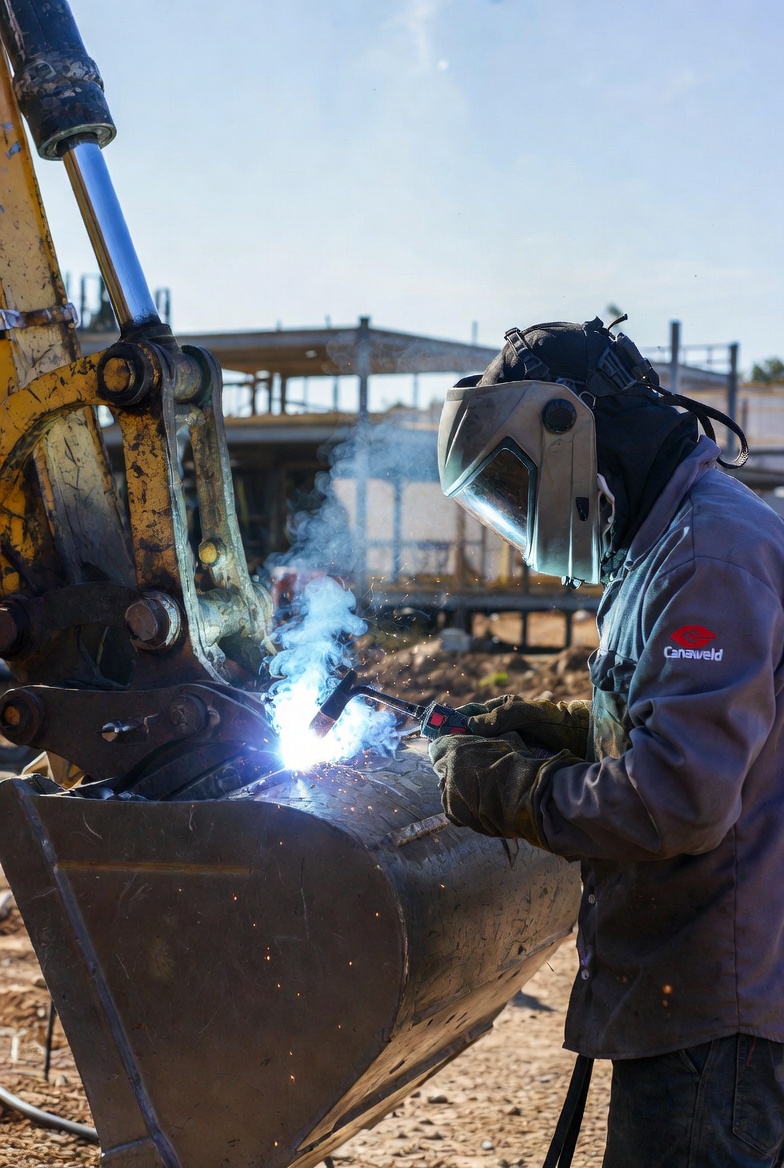
Beams, Columns & Base Plates
Wide flange and I-beam installation, splicing and connection welding for residential open-concept renovations, commercial floor systems and industrial spans. HSS and wide flange column base plates, splices and moment connections, welded to the engineer's details. The column base plate weld to concrete-embedded anchors is the first structural connection in any steel column and one of the most critical to get right.

Joists, Trusses & Connection Plates
Open web steel joist seat welds, bridging connections and bearing plate welds for commercial floor and roof systems. Truss chord and web member connections for long-span commercial and industrial buildings. Beam-to-column shear connections, moment connections and clip angle welds, each sized to carry the specified load without slip or fatigue cracking. Bracing connections, knee braces and gusset plates for lateral load resistance.

Structural Retrofits & Reinforcement
Steel lintels and welded header beams over door, window and span openings in new construction and renovation. Reinforcement of existing steel with welded cover plates, stitched angles and web stiffeners when a building is renovated, extended or takes new loads such as rooftop units. Load-bearing wall removal with an I-beam is one of the most common structural steel jobs in GTA homes, and CanaWelding handles it routinely, including beam selection support with your engineer and full connection documentation. Damaged or cracked structural members fall under our welding repair service.

Fabrication & Steel Erection
Connection plates, gusset plates, base plates, brackets and splice components fabricated to your engineer's drawings and CSA W59 tolerances, delivered ready for erection. See custom metal fabrication for non-structural metalwork. Through CanaStruct Inc., we also erect the frame: setting columns and beams, installing joists and completing the structure. Welding, fabrication and erection under one contract is the scope a standalone welding company cannot offer.
Welding Structural Steel: Field vs Shop Processes

Most structural steel welded on GTA job sites is done with stick (SMAW) or self-shielded flux-core (FCAW-S), because wind strips away the shielding gas that MIG welding depends on. MIG (GMAW) and gas-shielded flux-core are standard in the shop, where conditions are controlled and production speed matters.
The right process is set by the weld procedure, the position and the conditions on the day, not by habit. Every process follows the weld procedure set for the joint, and every welder holds a CWB qualification for that specific process and position.
Ontario weather is part of the procedure. CSA W59 sets minimum preheat by steel thickness and grade, and restricts welding on cold, wet or wind-exposed steel unless the joint is protected. In GTA winters that means preheating, windscreens or hoarding, and dry electrode storage, all planned into the quote rather than added later.
| Process | Where it fits on structural steel | Why |
|---|---|---|
| Stick (SMAW) | Field connections, base plates, overhead and vertical welds | Portable, all-position, tolerant of wind; low-hydrogen E7018 electrodes are the structural standard |
| Self-shielded flux-core (FCAW-S) | Field welding on larger connections and longer runs | Higher deposition than stick, no gas cylinder, works in wind |
| Gas-shielded flux-core (FCAW-G) | Shop fabrication, sheltered field work | Fast, all-position, handles mill scale on hot-rolled steel |
| MIG (GMAW) | Shop fabrication of plates, brackets and assemblies | Clean and fast, but the gas shield fails in field wind without full enclosure |
| TIG (GTAW) | Rarely used on structural members | Too slow for structural thickness; used for stainless and architectural metal |
Need the steel supplied as well as welded? Through CanaStruct Inc., structural members and connection components can be supplied, fabricated and erected under the same contract, so one company is accountable from material to final weld.
How a Structural Steel Welding Job Runs
A structural steel welding job moves through seven steps: drawing review, site assessment, written quote and documents, fit-up and preparation, welding to the approved procedure, inspection, and close-out records. Small residential jobs can compress the first three into one visit.
Drawing and Scope Review
We read the stamped structural drawings, weld symbols and connection details, or review your photos and sketches if the engineer is not yet engaged.
Site Assessment
Access, existing steel condition, coatings, temporary shoring, lifting needs, hot-work permit and fire watch requirements are checked on site.
Written Quote and Documentation Package
You receive a fixed written quote plus our welders' CWB qualification records, WSIB clearance and insurance certificate before mobilization. What we quote is what you pay.
Fit-Up and Preparation
Mill scale, paint and galvanizing are removed from the weld zone, fit-up is checked against the drawing, and preheat is applied where the procedure requires it.
Welding to the Procedure
Each joint is welded with the process, electrode and technique the weld procedure specifies, by a welder qualified for that position.
Inspection
Every weld is visually inspected to CSA W59. Where the engineer specifies ultrasonic or magnetic particle testing, it is coordinated with a third-party inspection firm.
Close-Out
Inspection records and notes go to you and the engineer, welds are cleaned and primed or touched up, and the site is left clean.
For small residential beam and repair jobs, CanaWelding can often assess, quote and weld in one visit. For engineered commercial work, step 1 and 2 come first so nothing is guessed.

The Structural Steel Documentation Package
Before welding starts on a structural job, a site supervisor or engineer will usually ask for welder qualifications, weld procedure details, WSIB clearance and insurance. CanaWelding sends the full package before mobilization, not after.
| Document | What it proves | Who usually asks |
|---|---|---|
| Weld procedure details | How each joint will be welded: process, electrode and position | Engineer of record, inspector |
| Welder CWB qualification records | Each welder is qualified for the process and position | Inspector, site superintendent |
| WSIB clearance certificate | Workplace coverage is current | General contractor, property manager |
| Certificate of commercial general liability insurance | Liability coverage is in place | General contractor, owner |
| Visual inspection records | Welds were inspected to CSA W59 | Engineer of record, building inspector |
| Mill certificates (when we supply steel) | Steel grade matches the drawings | Engineer of record |
For sites run through a contractor management platform or with specific health and safety orientation, tell us in advance and the paperwork is lined up before day one.
Send your drawings. Get a written structural quote.
CanaWelding carries commercial general liability insurance and WSIB coverage, and every structural weld is made by CWB-qualified welders.
Structural Steel Welding Cost in Toronto
A single residential I-beam installation, including column base plates and connection welds, typically runs $800 to $2,500 for CanaWelding's structural steel welding scope, depending on span and column count. Commercial structural steel is quoted per project after drawing review and a site assessment. CanaWelding does not price structural work per square foot.
What moves the price
Span and beam size
Heavier sections take more weld passes and more lifting.
Number of columns and base plates
Each column adds a base plate, anchor connection and splice or cap.
Connection type
Moment connections take more welding and inspection than simple shear connections.
Access and lifting
Tight basements, upper floors and occupied buildings need more rigging time.
Weld position
Overhead and vertical welds are slower than flat welds.
Existing steel condition
Coatings, corrosion or unknown older steel add preparation and sometimes testing.
Inspection requirements
Third-party ultrasonic or magnetic particle testing is priced separately when specified.
Season and schedule
Winter preheat, hoarding and after-hours work add cost.
Usually outside the welding scope unless arranged through CanaStruct Inc.: structural engineering, building permit fees, temporary shoring design and interior finishing.
No charges for extra equipment, setup or time are added without your approval first.
Why GTA Contractors Choose CanaWelding for Structural Steel
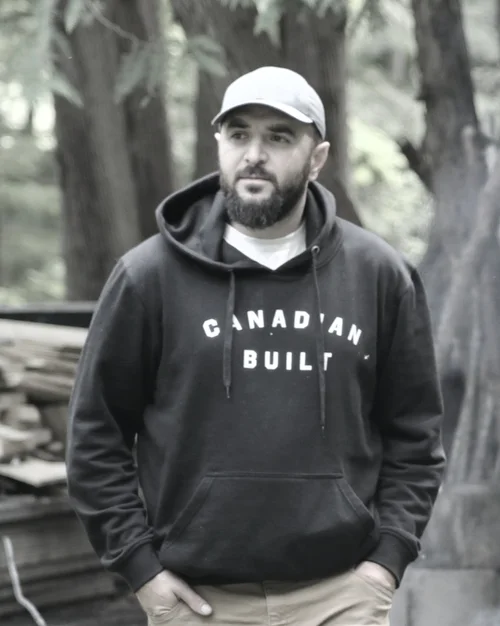
CanaWelding is led through CanaStruct Inc. by Zura Mirzikashvili, an HCRA-licensed builder working in Ontario construction since 2011. Structural steel work is scoped and reviewed by someone who builds frames, not only someone who welds them.
CWB-qualified welders
Every structural weld is made by welders holding CWB qualifications for the process and position. No exceptions on any project.
Licensed and insured
Commercial general liability insurance and WSIB coverage on all on-site welding, with certificates sent before day one.
Framing and welding in one company
A standalone mobile welder joins steel. CanaStruct builds the structure around it, so connections are planned with the whole frame in mind.
Code-compliant execution
Work follows the engineer of record's details, and documentation meets inspection requirements across Toronto and GTA municipalities.
Field-tested structural crew
Mezzanines, commercial retrofits, steel beam installations and structural modifications across the GTA. On site, conditions rarely match the drawings exactly, and experience closes that gap.
Reliable scheduling
Structural welding is often on the critical path. Crews arrive when booked and finish within committed timelines.
Transparent pricing
A detailed written quote before work starts, with no surprise charges for equipment, setup or extra time without prior approval.
Local track record
Structural welding for contractors and facility owners across Toronto, Mississauga, Markham, Scarborough, Richmond Hill, Oakville and beyond.
How to Check a Structural Steel Welder Before Work Starts
- 1Ask to see each welder's CWB qualification, and check it covers the process and position the work needs.
- 2Check whether your engineer's drawings call for a CSA W47.1-certified company, and raise it at the quote stage.
- 3Confirm the welding will follow the engineer's details and CSA W59, with visual inspection records at the end.
- 4Ask for the WSIB clearance certificate and certificate of insurance in your name or your company's name.

Related Welding and Repair Services
Welding Repair Services


Welding Services


Structural Steel Welding Across Toronto & the GTA
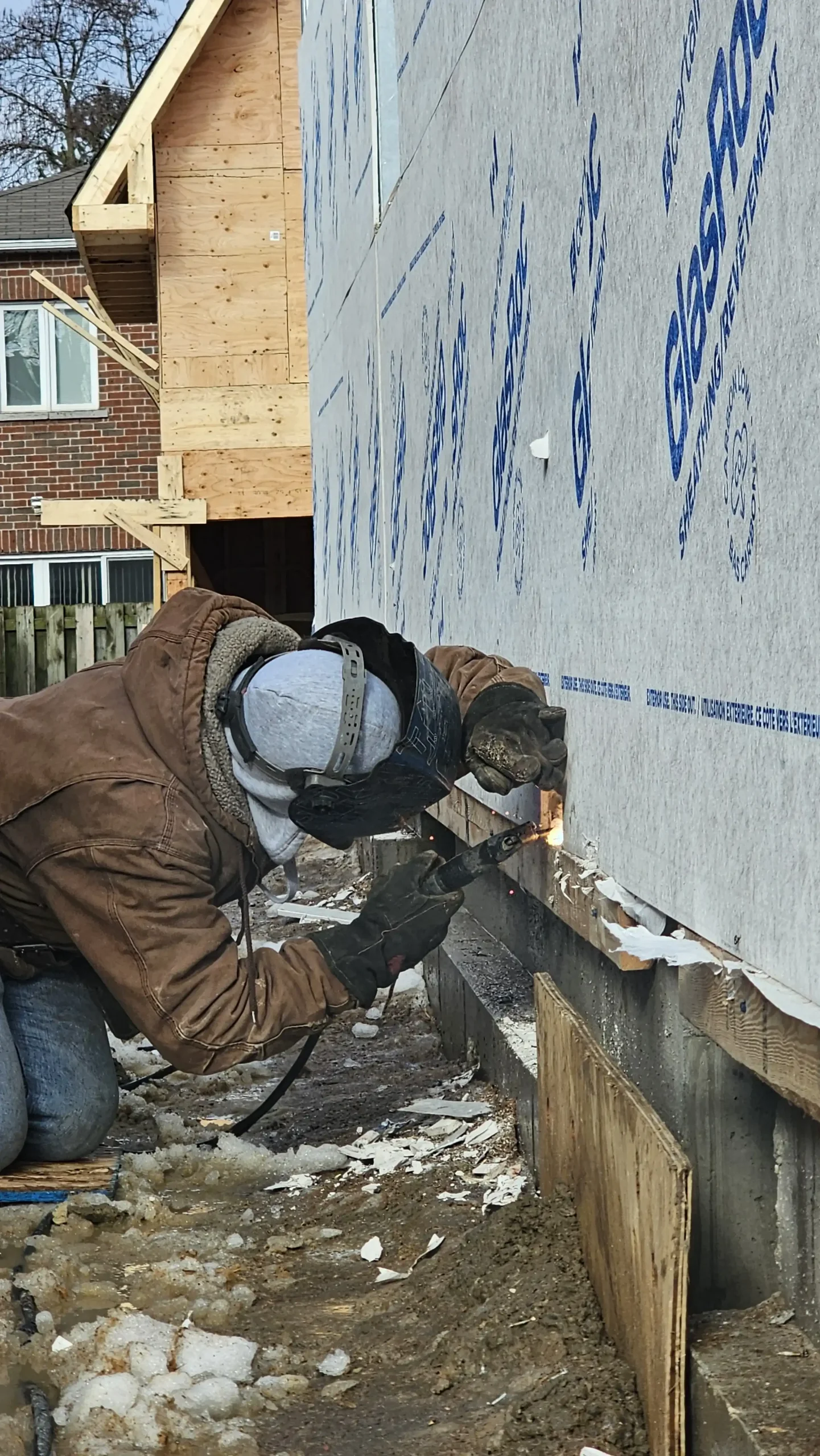
CanaWelding dispatches CWB-certified structural steel welders across the Greater Toronto Area: downtown Toronto construction sites, industrial facilities in Brampton and Mississauga, residential renovations in Etobicoke and Oakville, and commercial builds throughout Markham and Vaughan.
- Toronto (all neighbourhoods)
- Etobicoke
- Scarborough
- North York
- East York
- Mississauga
- Brampton
- Caledon
- Oakville
- Burlington
- Vaughan
- Richmond Hill
- Markham
- Ajax / Pickering
Structural Steel Welding FAQs
Is CWB certification required for structural welding in Ontario?
Yes. The Ontario Building Code requires structural steel to conform to CSA S16, and CSA S16 requires companies that weld structural steel to be certified to CSA W47.1 by the Canadian Welding Bureau. A trade licence or general welding experience is not a substitute. CanaWelding's welders hold CWB welder qualifications; if your drawings call for a W47.1-certified company, tell us at the quote stage so the scope is confirmed before booking.
What is the difference between a licensed welder and a CWB-certified welder?
A licensed welder holds a provincial trade certificate showing they completed an apprenticeship and passed an exam. CWB certification under CSA W47.1 applies to the company: documented weld procedures, welders tested for specific joints and positions, a qualified welding supervisor and periodic CWB audits. It is the standard engineers specify and inspectors verify. Not every licensed welder works under it.
Do I need a building permit for I-beam installation in Toronto?
Yes. Almost every load-bearing wall removal and I-beam installation in Toronto and the GTA needs a structural engineer's design and a building permit under the Ontario Building Code. The engineer sizes the beam, details the connections and may inspect the finished work. CanaWelding welds the base plates, beam-end connections and splices to those details and coordinates directly with your engineer.
How much does structural steel welding cost in Toronto?
A single residential I-beam installation with column base plates and connection welds typically costs $800 to $2,500, depending on span and column count. Commercial structural steel is quoted per project after drawing review and a site assessment. CanaWelding does not use per-square-foot pricing for structural work; send your project details for an accurate quote.
Can you work on active construction sites with general contractors?
Yes. Active-site structural welding is core work for CanaWelding. As a division of CanaStruct Inc., our crews are used to working inside steel erection schedules. Commercial general liability insurance, WSIB clearance and our welders' CWB qualification records are ready before site access is requested. For sites with specific health and safety rules or contractor management platforms, let us know in advance.
Can you provide steel fabrication and erection as well as welding?
Yes. Through CanaStruct Inc., CanaWelding provides structural steel fabrication, installation and erection across residential, commercial and industrial projects in Ontario. One contract covers fabrication, erection and welding, which removes the coordination gap between a steel erector and a welding subcontractor. One company, one quality standard, from the first plate to the final connection weld.
Can structural steel be MIG welded?
Yes, but mostly in the shop. MIG (GMAW) relies on a gas shield that wind disrupts, so field structural welds in the GTA are usually made with stick (SMAW) or self-shielded flux-core (FCAW-S). When a procedure calls for MIG on site, the joint must be fully protected from wind, and the welder must hold a CWB qualification for that process.
How do I know a structural steel welder is qualified?
Ask to see the welder's CWB qualification and check it covers the process and position involved. Then ask for current WSIB and insurance certificates, and check whether your engineer's drawings call for a CSA W47.1-certified company, since that is a company-level requirement on top of welder qualification.
Can you weld new steel to existing steel in an older building?
Yes, in most cases, once the existing steel is confirmed weldable. Older GTA buildings can contain steel of unknown grade, and very old riveted structures may be wrought iron, which welds poorly. The engineer may ask for material testing or specify a bolted connection instead. CanaWelding assesses the existing steel on site and works to whichever detail the engineer approves.
Which areas do you serve for structural steel welding?
CanaWelding provides structural steel welding across the GTA, including Toronto, Etobicoke, Scarborough, North York, East York, Mississauga, Brampton, Caledon, Oakville, Burlington, Vaughan, Richmond Hill, Markham, Ajax and Pickering. Steel schedules on active GTA projects fill quickly, so contact us early to confirm availability.
Ready to Build with Structural Steel? Let CanaWelding Lead the Connection Work.
CanaWelding brings CWB-qualified welders, a structural framing background and the fabrication and erection capability of CanaStruct Inc. to structural steel projects across Toronto and the GTA. Whether the job is one residential I-beam or a complete commercial steel frame: one company, one contract, built to engineering standard.